What Is a Pre-Winter Home Inspection in Raleigh, NC, and Why Schedule One This Fall?
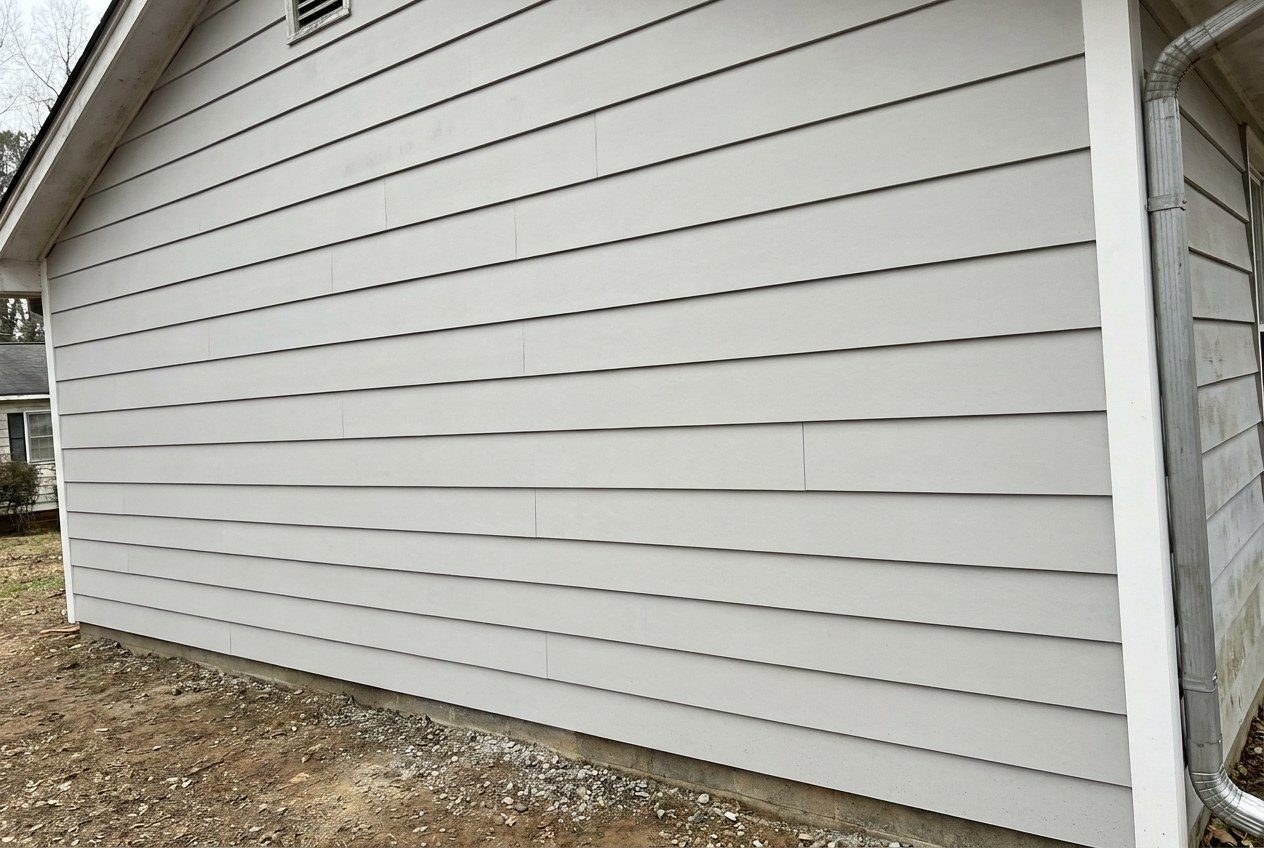
A pre-winter home inspection in Raleigh, NC is one of the most practical steps a homeowner can take before cold weather arrives. Unlike the top-to-bottom report used in a real estate transaction, this is a working walkthrough by a general contractor focused on exterior vulnerabilities, drainage, and structural issues that cold, wet conditions will make worse. Fall is the right time to do it, the ground is still workable, contractor schedules still have room, and there is time to fix what you find before the first hard freeze narrows your options.
- A pre-winter home inspection by a general contractor looks at exterior vulnerabilities, drainage, and structural issues before cold weather makes small problems worse.
- Raleigh's freeze-thaw cycles are mild but unpredictable, and that is exactly what catches homeowners off guard.
- A general contractor can evaluate issues across multiple systems in a single walkthrough, rather than requiring separate trades for each concern.
- Many of the checks a contractor performs are things you can partially assess yourself before ever making a call.
- Waiting until spring to deal with fall damage usually means repairing what could have been prevented.
#What Does a Pre-Winter Home Inspection Actually Cover?
A pre-winter inspection focuses on the parts of your home most exposed to seasonal stress: the roof, gutters, exterior walls, foundation perimeter, drainage paths, decks, and any exterior wood or masonry. A general contractor in Raleigh is looking at how these systems hold up under cold, wet conditions and whether anything is already showing signs of failure.
- Roof and flashing: Missing shingles, lifted edges, or deteriorating flashing around chimneys and vents are easy to miss from the ground but can allow water intrusion the moment heavy rain or ice arrives.
- Gutters and downspouts: Gutters clogged with leaves or pulling away from the fascia will overflow against your foundation when winter rains come. Downspouts that discharge too close to the house are a drainage problem waiting to worsen.
- Exterior walls and siding: Cracks, gaps, or failed caulking around windows and penetrations let cold air and moisture into the wall cavity. In Raleigh, where temperatures can swing significantly within a single week, that moisture has time to do real damage.
- Foundation and grading: Soil that slopes toward the house instead of away from it directs water toward your foundation. Even a modest amount of standing water can cause cracking or settling when temperatures drop.
- Decks and exterior structures: Ledger board connections, post bases, and decking boards all take on moisture over the warmer months. Winter accelerates wood degradation, and a loose connection that felt fine in July can become a structural problem by February.
#Why Does Raleigh's Climate Make This Especially Worth Doing?
Raleigh sits in a zone where winters are not reliably harsh, and that is part of the problem. According to the National Weather Service Raleigh office, the area regularly experiences freeze-thaw cycles through winter, temperatures drop below freezing at night and rise above it during the day. That cycling is harder on building materials than a consistently cold climate, because water gets into cracks, freezes and expands, then thaws and pulls back, widening the gap each time.
Because Raleigh winters feel mild compared to further north, homeowners here are more likely to defer maintenance. A few warmer-than-average winters in a row can give a false sense that things are fine. Then one stretch of hard freezes in January reveals every problem that was quietly developing.
You do not need to wait for a contractor to do a first pass on the obvious issues. Walk the perimeter of your house on a dry day and look for anywhere water could pool, any siding or trim that looks soft or discolored, and any caulk joints that are cracked or pulling away. If you find more than one or two of these, a professional walkthrough is worth scheduling.
#How Is a General Contractor's Walkthrough Different From a Home Inspector's Report?
A licensed home inspector produces a written report for a real estate transaction. A general contractor's pre-winter walkthrough is a working assessment with an eye toward what needs to be fixed and how. The distinction matters because a GC is thinking about repair sequencing, materials, and what can realistically be done before the weather closes in.
A general contractor can also look at problems across multiple trades in a single visit. If the gutter is pulling away because the fascia board behind it has rotted, and the soffit above shows signs of moisture damage, and the flashing at the roof edge is failing, those are carpentry, drainage, and roofing issues that connect to each other. A GC sees them as one problem with a logical fix sequence, not three separate calls to three separate companies.
| What You Need Evaluated | General Contractor Walkthrough | Calling Individual Trade Specialists |
|---|---|---|
| Multiple connected systems (roof, siding, drainage, structure) | One visit covers all of them with a unified view | Multiple calls, each trade sees only their scope |
| Repair sequencing and priority | GC advises what to fix first based on risk and weather window | Each specialist will prioritize their own scope |
| Acting on what is found | Same contractor can often handle the repair work directly | Requires additional scheduling and coordination |
| Cost of the assessment | Often built into a follow-on repair estimate | Each specialist visit may carry its own service fee |
#What Can Homeowners Check Before Calling a Contractor?
A reasonable first pass yourself will make any professional conversation more productive. Start from the ground and work up.
- After a rain, walk your property and note anywhere water is standing or moving toward the house rather than away from it.
- Check your gutters from a ladder if it is safe to do so. If they are full of debris or visibly sagging, that is a pre-winter priority.
- Press on any wood trim, window sills, or deck boards that look discolored. Soft wood means moisture has already gotten in.
- Look at the caulk around every window and door from outside. Cracks or gaps, especially on the north-facing side of the house, are worth addressing before cold weather.
- Check your crawl space vent covers or basement windows for any signs of water staining or pest activity.
If you walk through that list and find two or three concerns, handle them and move on. If you find six or seven, or anything structural like cracks in the foundation wall or a deck post that has shifted, that is when a contractor's eye is worth it. Issues uncovered during a walkthrough sometimes point to deeper work, including home renovations that address root causes rather than symptoms.